
"Saint Pie"
2500 article(s) found
Fruit sweetness Costa Rica plus Saint Roman Coffee varieties taste characteristics Manor boutique coffee bean flavor
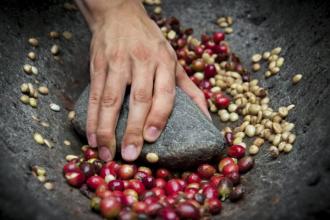
Coffee cherries are hand-selected by coffee farmers to remove overripe or immature cherries, and then produce them. A 3-disc aagaarde peeling machine is used to remove the peel and pulp, and then the machine is divided into three grades according to the density of coffee beans. Grade 1 and 2 raw beans are fermented separately, while grade 3 is low-quality raw beans. The raw beans were fermented in a cool place for about 24 to 36 hours.
Fruit sweetness Costa Rica plus Saint Roman Coffee varieties taste manor characteristics boutique coffee bean flavor
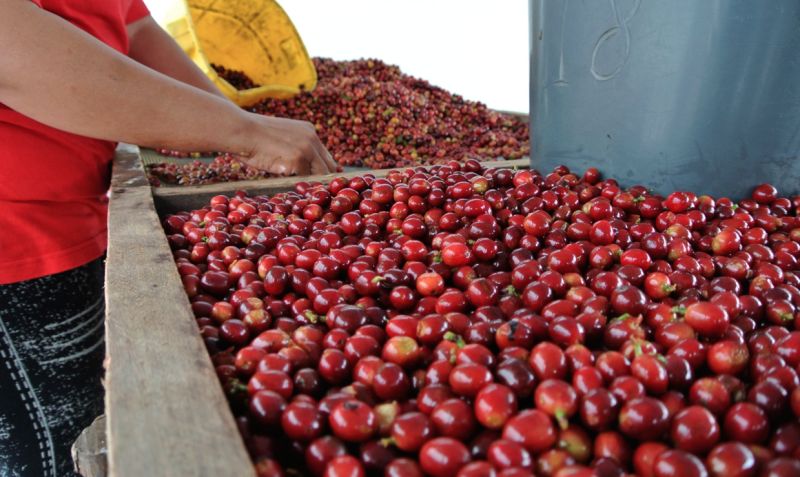
Coffee cherries are hand-selected by coffee farmers to remove overripe or immature cherries, and then produce them. A 3-disc aagaarde peeling machine is used to remove the peel and pulp, and then the machine is divided into three grades according to the density of coffee beans. Grade 1 and 2 raw beans are fermented separately, while grade 3 is low-quality raw beans. The raw beans were fermented in a cool place for about 24 to 36 hours.
Colombian Coffee Colombian Saint Ario Manor introduction.
Professional coffee knowledge exchange more coffee bean information Please pay attention to Coffee Workshop (Wechat official account cafe_style) Saint Ario Manor is located in the (CAUCA) alpine volcanic area located at a high altitude of 1950-2100 meters, facing the Pacific Ocean to the west, with a unique micro-climate. Coffee trees are mostly planted on volcanic slopes and absorb the essence of volcanic ash soil, so this area is not only coffee beans.
Fruit sweetness Costa Rica plus Saint Roman Coffee Variety characteristics taste Manor boutique coffee bean flavor introduction
Coffee cherries are hand-selected by coffee farmers to remove overripe or immature cherries, and then produce them. A 3-disc aagaarde peeling machine is used to remove the peel and pulp, and then the machine is divided into three grades according to the density of coffee beans. Grade 1 and 2 raw beans are fermented separately, while grade 3 is low-quality raw beans. The raw beans were fermented in a cool place for about 24 to 36 hours.
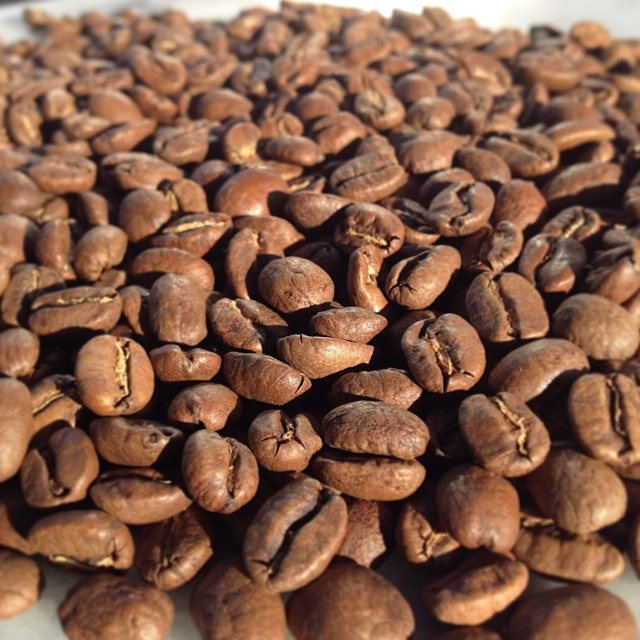
The sweet smell of chocolate beans makes people forget the flavor of Costa Rican Saint Roman coffee.
Coffee cherries are hand-selected by coffee farmers to remove overripe or immature cherries, and then produce them. A 3-disc aagaarde peeling machine is used to remove the peel and pulp, and then the machine is divided into three grades according to the density of coffee beans. Grade 1 and 2 raw beans are fermented separately, while grade 3 is low-quality raw beans. The raw beans were fermented in a cool place for about 24 to 36 hours.

Costa Rican Saint Roman Coffee Taste characteristics of Costa Rican Saint Roman
Professional baristas Please follow the Coffee Workshop (Wechat official account cafe_style) Costa Rican coffee was introduced from Cuba in 1779 and exported for the first time in 1820. There are about 32000 coffee farmers, with an average planting area of less than one hectare (10000 tons). Costa Rica has a population of 41 billion (2006) and a coffee planting area of 82500 mu.

How to mix the perfect cappuccino espresso with beans
The perfect cappuccino Italians like to use cappuccino as a drink for breakfast, and with hot and sweet apple pie, it's the perfect start of the day. They sometimes drink a cappuccino in their spare time of the day, but usually leave coffee time after dinner for espresso. A cup of authentic Italian cappuccino, half a cup

Coffee shop appreciation: The Grounds Cafe, Australia
This simple, comfortable and warm cafe, which makes people feel familiar and friendly at home, is located in Alexandria, Australia, by Caroline Choker. The cafe was formerly a warehouse and a pie factory in early 1900. The space environment reveals the architectural language rooted in the past, allowing people to enjoy delicious coffee and hand-baked delicacies at the same time.

El Salvador coffee beans dry and wet aroma El Salvador sun coffee El Salvador coffee beans introduction
For more information on coffee beans, please follow the Coffee Workshop (official Wechat account cafe_style) National El Salvador area 2019 apaneca-ilamatepec 2019 El Salvador Project fragrance: sweet yellow fruit, caramel, vanilla, cedar, brown spice, orange, flower, almond, guava, pie spice, plum, BlackBerry, cranberry, apricot, apple
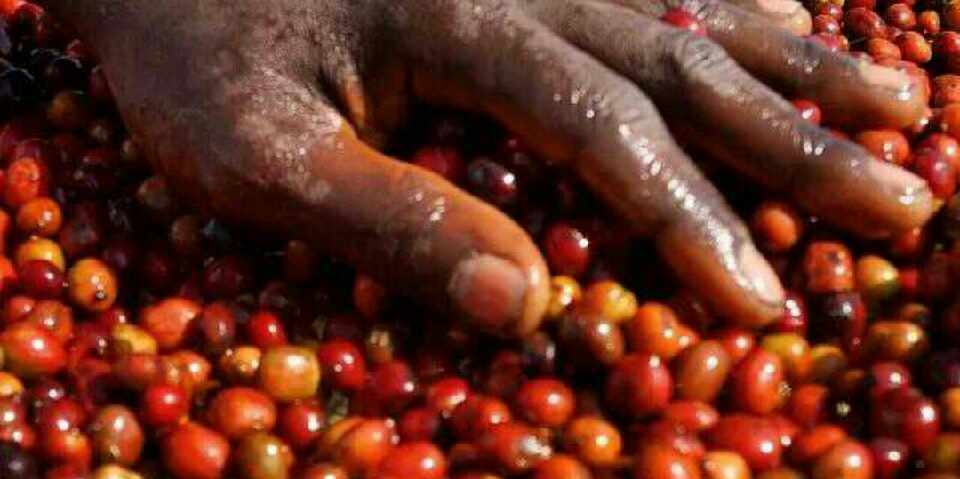
The sweetness of the fruit makes people forget the flavor, characteristics, taste and manor of Costa Rica Saint Roman Coffee.
Coffee cherries are hand-selected by coffee farmers to remove overripe or immature cherries, and then produce them. A 3-disc aagaarde peeling machine is used to remove the peel and pulp, and then the machine is divided into three grades according to the density of coffee beans. Grade 1 and 2 raw beans are fermented separately, while grade 3 is low-quality raw beans. The raw beans were fermented in a cool place for about 24 to 36 hours.
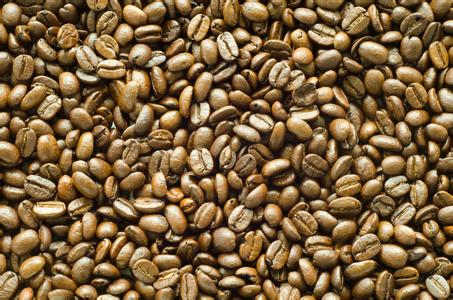
What is the treatment of Costa Rican Saint Roman coffee beans?
How to treat Costa Rican Saint Roman coffee beans Costa Rican boutique coffee has only come to the fore in the past decade. Although Costa Rica introduced coffee from Cuba as early as 1729 and carried out commercial cultivation, it made great efforts to develop the coffee bean industry. But it mainly produces and distributes mixed coffee beans and Italian commercial beans for export to its nearest neighbor, coffee.
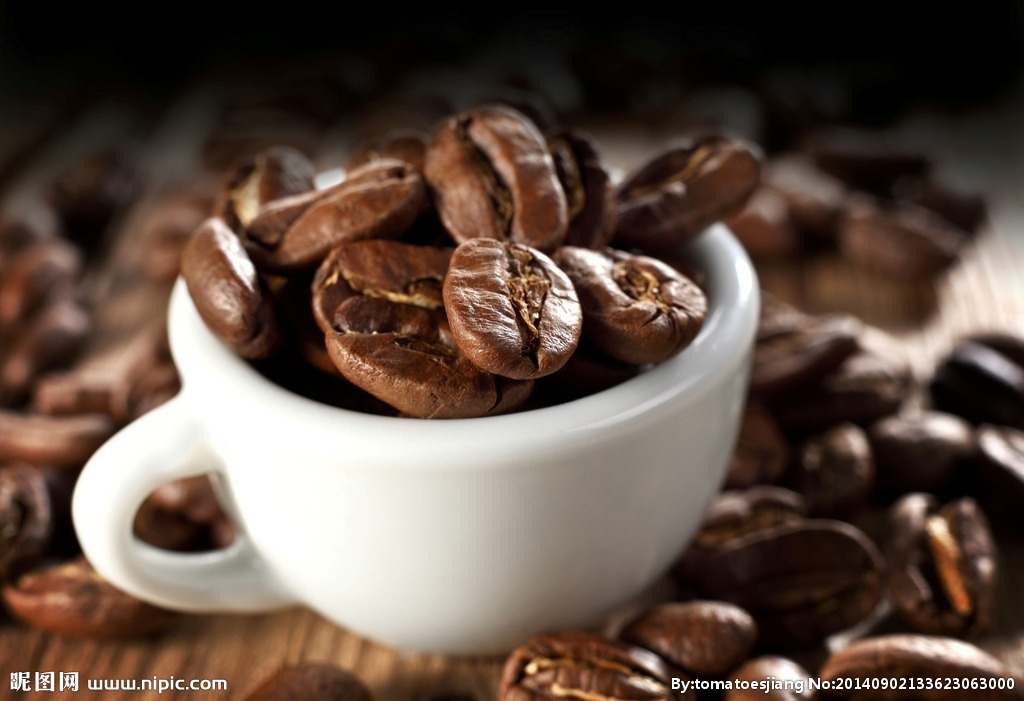
The sweetness of the fragrant fruit makes people forget the flavor, characteristics and taste of Costa Rican Saint Roman coffee.
Coffee cherries are hand-selected by coffee farmers to remove overripe or immature cherries, and then produce them. A 3-disc aagaarde peeling machine is used to remove the peel and pulp, and then the machine is divided into three grades according to the density of coffee beans. Grade 1 and 2 raw beans are fermented separately, while grade 3 is low-quality raw beans. The raw beans were fermented in a cool place for about 24 to 36 hours.

Costa Rican Saint Roman Coffee data how to drink Costa Rican Saint Roman
For the exchange of professional baristas, please follow the coffee shop (Wechat official account cafe_style) hand-made in San Roman, Costa Rica. 15g powder, medium grinding (small Fuji ghost tooth cutter 4 grinding), v60 filter cup, 88-89 degrees water temperature, the first water injection 30g water, 27 seconds of steaming, injection to 105g water cut off, wait for the powder bed water to half and then water injection, slow water injection until 225g water

Factors that affect the taste of a cup of coffee
Among the factors that affect the taste of a cup of coffee: raw beans account for 60%, roasting accounts for 30%, and extraction accounts for 10%. So let's take a look at the whole process of coffee life, that is, from a seed to a cup of coffee, to understand each factor on the taste of coffee one by one. Raw beans: only good materials can make a good taste. This is an immutable truth in the catering industry. The quality of raw coffee beans determines the taste of coffee.

Coffee pattern embossing shaking teaching reverse embossing pattern work demonstration: Saint
Professional coffee knowledge exchange more coffee bean information please follow the coffee workshop (Wechat official account cafe_style) Coffee pattern analysis of how to avoid pattern deviation? Drawing Tip reverse embossed pattern drawing demonstration: Saint first completes the first part of the figure by slowly swinging, and then makes a simple leaf swing combined with the cup turning technique and quickly completes the last one.

Guatemala COE Champion Saint Isabel Manor: Koban Rainforest Competition has won for 12 consecutive years.
For the exchange of professional baristas, please follow the Coffee Workshop (Wechat official account cafe_style) Saint Isabel Manor introduced that Saint Isabel won COE in Guatemala in 2012 and won the championship in this year's (2016) local competition in the Koban Rainforest. The estate is located in the Coban producing area of San Cristobal Verapaz, San Cristo.

How to do Espresso well
(1) the reason why coffee beans with fresh and certain quality do not mention fresh coffee beans is to correct a misunderstanding for brown friends that fresh roasting is not directly related to quality. Freshness is a factor and a premise, but freshness is not good. For example, fresh garbage and fresh poop have nothing to do with quality. So if it is poor quality raw beans and poor standards

Starbucks changed from "cafe" to "restaurant"?
When it comes to Starbucks, coffee must be the first thing that comes to mind. At the end of July, however, Starbucks launched a new food program in parts of China, which launched not coffee, but as many as 38 new food products, including spaghetti. For Starbucks, which has always been obsessed with coffee, the move is undoubtedly subversive. Back in those days, Starbucks

Bolivian Saint Angel Manor Coffee introduces the suitable roasting degree of Bolivian coffee.
Professional coffee knowledge exchange more coffee bean information please pay attention to the coffee workshop (Wechat official account cafe_style) Bolivia is a landlocked country known as the ancient plateau, coffee is mainly produced in the plateau 1200 2000 meters above sea level, the main producing areas for the north Caranavi Karanawi and the south Santa Cruz Santa Cruz, are cultivated on small farms, the average area

The historical origin of Costa Rican Saint Roman and the description of Costa Rican Saint Roman flavor
Following Cafe Review (Wechat official account vdailycom) found that the Cafe Beautiful opened a small shop of its own. Tarrazu in Costa Rica is one of the major coffee producers in the world. The coffee is light and pure in flavor and pleasant in aroma. Costa Rica, with its fertile volcanic soil and good drainage, was the first country in Central America to grow coffee and bananas for commercial value.